Planning the Time Between a Family Ceremony and a Reception
When planning the time between a family ceremony and a reception, it's essential to keep track of several key factors to ensure a seamless transition and avoid any last-minute surprises.
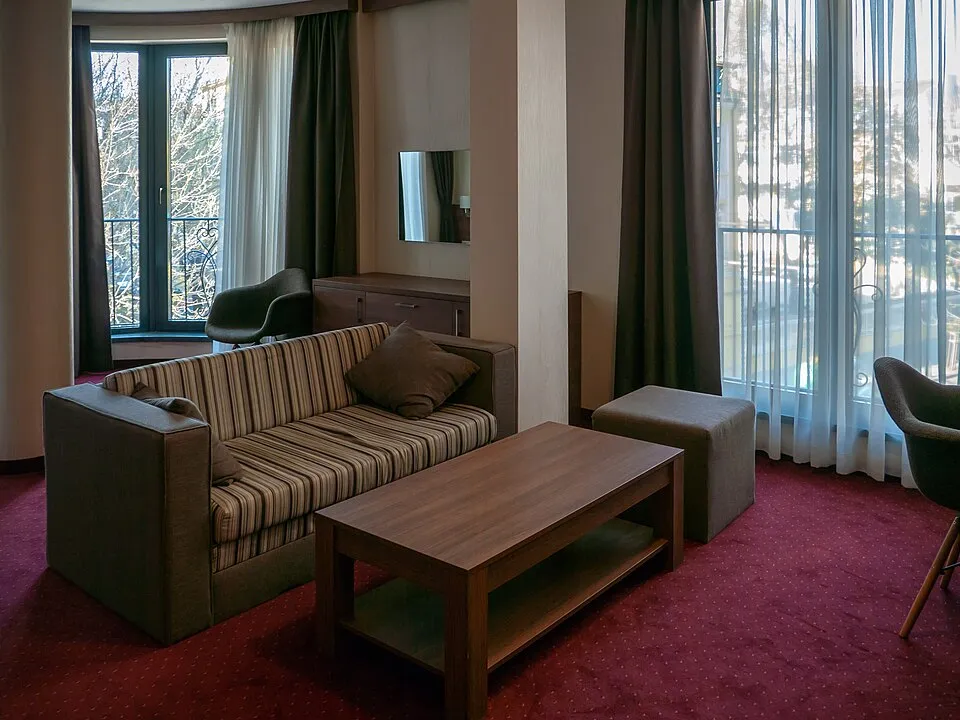

This article is sponsored by R Nite Star Hotel & Lounge. Partner content policy
In this article
A family can agree on the ceremony time and reception start and still leave everyone wondering where to go between them. One family member expects photographs to take fifteen minutes. Another knows several people will need a ride. The venue is preparing the room and may not be able to admit early guests. Plan the interval around what people and providers actually need to do before they can gather again.
Start at the moment guests are free to leave the ceremony and work through their routes, photographs, and any waiting time. Ask the reception venue when access and service are available. Give each group a clear instruction and an appropriate person to contact if the schedule moves. The best interval gives people time to arrive without asking the venue or caterer to guess what the family expects.
Identify how the ceremony will actually end
Ask which people need to remain after the ceremony and for how long. The person leading it can estimate the formal ending, while the photographer may have arrangements with certain groups. A family might also need time to gather belongings or help guests find their rides. Record these activities separately. The end of the ceremony can start several timelines rather than releasing everyone together.
Give people a practical description of what they should do next. Some guests might be expected at photographs. Others could be free to head toward the reception or wait at a confirmed location. Ask the people responsible for the ceremony site what it can accommodate while those groups separate. If the space belongs to another booking later, confirm where an agreed handoff or pickup will take place.
Check how guests will learn about an actual delay. A relative working with the photographer may have a different explanation from someone monitoring the reception. Choose the person who can communicate the confirmed change. Give them the venue contact and the expected time for an update. A delay is easier to handle if guests have one reliable source.
Walk through a realistic travel plan
Identify which guests use their own vehicles and which ones rely on another person or service. Check the actual addresses, approach and expected journey. Include time to leave the ceremony site, reach approved parking or drop-off, and get into the second location. A travel estimate using only the time between addresses may skip handling a group that needs extra time or doing a separate pickup.
Discuss access needs directly with the people affected and the appropriate venue contacts. The U.S. Department of Justice’s archived accessible meetings guide describes how location, entrances and room arrangement affect participants. Ask the site contacts to confirm the routes the guests will use. Where the individual prefers to verify details themselves, share the appropriate direct contact. Department of Justice accessible meetings guidance
If some guests can arrive early, ask where they should go and whether the reception venue can accept them before the main start. A shared entrance or reception area could be in use for another reason. Give people an approved place to wait if one is available. If the venue has no arrangement for early arrival, explain that before someone sets out expecting to go straight inside.
Protect the reception space and service timing
For an Arlington option, R Nite Star Hotel & Lounge event packages are a starting point for discussing room access and start times. Describe when the ceremony is expected to finish and which people may arrive before others. Ask when the room will be released for guests, who can handle early arrivals, and how late timing affects the booked arrangement. Get those answers for the actual date.
Tell the caterer which parts of the schedule can change and when it should hear about a decision. Food service and holding arrangements need to be managed by the responsible provider. The USDA’s wedding food safety resources give planners topics to discuss, including timing and what happens before service. Ask the professionals how they want to respond if guests reach the site later than planned. USDA wedding food safety guidance
Check the room’s readiness before confirming another activity depends on it. A setup team may be arranging furniture or meeting a supplier while family members are in transit. Ask when the venue expects to confirm readiness and who receives any updates. Give the host a way to prevent conflicting instructions during the transition. The arrival message should reflect what the venue has actually confirmed.
Work through a sample family schedule
Imagine a ceremony that ends before a family photographs group starts. Guests who do not need to remain have some time before reception doors open. The organizer can point them to an approved meeting or waiting space and tell them when they can enter. A smaller group stays for photographs and then follows a confirmed travel plan. The venue and caterer know which time matters for guests and whether the family expects to arrive all together.
Suppose the photographer needs ten more minutes after the main group leaves. The person coordinating photographs can tell the organizer which travelers are affected. The reception start might still work for guests already nearby. If food or room timing could be affected, the organizer checks it with the responsible contacts before sending another message. Decide which parts of the event can continue under the current plan.
Give guests clear instructions for the time between events
Keep the message to guests focused on dates, times, relevant travel and who can answer questions. If some people need another arrangement, give them the information directly. Separate general directions from private schedules. Ask a family member unfamiliar with the venues to read the message and explain where they would go after the ceremony. Bring their questions to the organizer before sending the final version.
If there is a planned welcome or group photograph at the reception, check who needs to be present and when. A guest who will arrive separately can learn about it before the day. Ask the people responsible for those activities whether a delay would require changing them. Keep the plan clear enough that a guest can follow it if the ceremony, photographs, and travel all finish at different times.
Confirm how photographs and rides will fit together
Give the photography team a short plan for which groups will stay and when each should expect to leave. Ask who will direct them after the ceremony so people who are not in the photos do not wait unnecessarily. A family member who needs to drive other guests may also be expected in a picture. Find out which ride or photo arrangement can move and agree on the actual order before the ceremony.
Check whether someone needs to arrive at the reception ahead of their family members. They could be responsible for welcoming guests, meeting the venue contact or collecting something from an authorized supplier. Give them a departure time based on the work rather than the general invitation. Ask who can cover the responsibility if the person is still at the ceremony.
Give the earlier and later groups an option for different waiting times
An early group might be close enough to use the venue's approved waiting area. Another may arrive just before the reception starts. Ask the property what it can actually offer between events and whether the answer affects parking, seating or entry. Give everyone the agreed instruction while allowing individual guests to choose a suitable route or reasonable backup.
For a longer delay, identify how the organizer will confirm what parts of the reception schedule still work. Music, food and the room can have distinct constraints. A change might affect only a family entrance, or it could require another discussion with the venue. Avoid moving every activity automatically. Give the people responsible for each part a timely question and a way to communicate the approved decision.
Plan for the second location before people leave the first
Make a contact visible to people who were not in the original planning discussions. A friend providing a ride might only need an approved address, expected pickup point and which people will be outside first. Another relative may need to know about seating once they enter. Put the instructions where the person responsible can retrieve them if the main organizer cannot respond during the ceremony.
Keep any changes in one current schedule. Preserve the earlier plan where useful, and give each new instruction a confirmed time. If family members expect to move shared objects or decorations, ask who carries them and which venue contact will receive them. This helps keep those items from slowing a departure the guests already expect.
Give the organizer a time to check on people who need an update but are already en route. That person can verify where transportation should arrive and what the reception contact has confirmed. Update only the information that changed. Travelers who received the original route should be able to recognize which instruction still applies.
Check the interval once more before the ceremony
Review the latest travel estimates and venue access times with the named contacts. Make sure the person helping with transport has the same addresses and timing the guests received. If a part of the plan is still tentative, tell the people affected how they will hear about it. Write down which actions depend on someone confirming that the room is available. An orderly reception can follow a flexible ceremony when people have a realistic route and current instructions.
Find more event planning articles in the Knox Henderson News partner guides.
Visit R Nite Star Hotel & Lounge.
Sources
- Department of Justice accessible meetings guidancearchive.ada.gov
- R Nite Star Hotel & Lounge event packagesrnitestar.com
- USDA wedding food safety guidancefoodsafety.gov