Ask where fresh linens should go before a home care visit
Give the resident a say in how a familiar household task is handled.
This article is sponsored by Senior Care of North Texas. Partner content policy
In this article
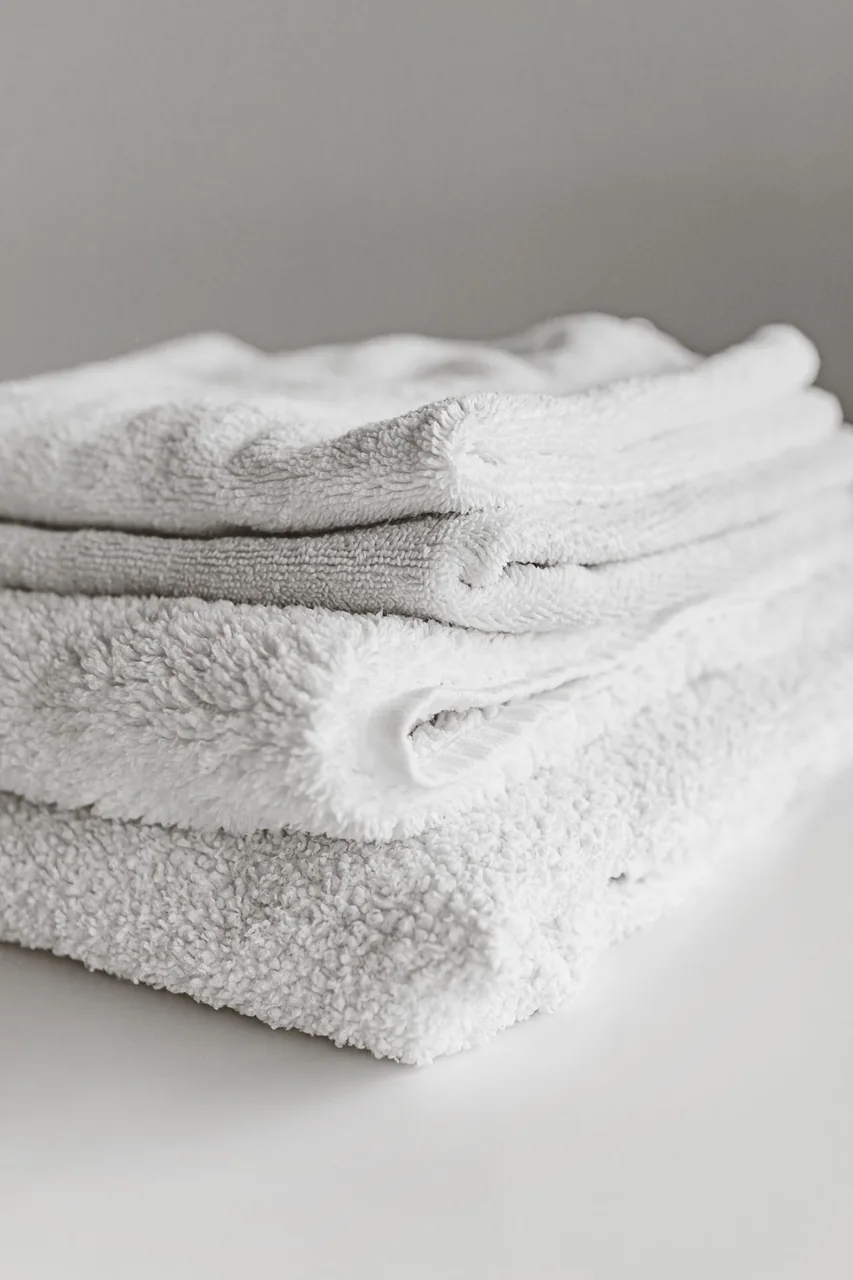
Fresh towels can go on a bathroom shelf, a bedroom chair or a lower wardrobe shelf that the resident can reach. Each can be a reasonable choice in a different home. A person receiving home care already knows how they use those rooms and which arrangements make the rest of a day easier. Ask them where a clean set should go before moving it, and confirm with the provider who will handle the task. This sponsored guide accompanies Senior Care of North Texas’s home care services, with the provider’s frequently asked questions listing light housekeeping among its nonmedical services. Provider questions and answers
Ask how the resident uses the set
One useful opening is “When you need a clean towel, which one do you reach for first?” Give the resident time to point out the place and the reason. They may like one towel by a chair after washing up, reserve a larger one for the bathroom or use a second set only when someone stays overnight. If they want a little help describing it, offer ordinary choices and show them the alternatives in the room. What matters is the next use of the item after the helper leaves.
Different family members may remember different arrangements. A relative who helped on weekends might have put everything in the hall. A resident going about the day during the week may prefer an everyday piece close by and the spares in the hall. Ask the resident what they want on the day you are planning together. If a practical concern comes up, describe it plainly and give them an opportunity to choose a workable place. Keep the exchange about this set of linens rather than extending it to a general reorganization of cupboards.
Find a location in daylight and within ordinary reach
Look at the place in the conditions in which someone will use it. A towel visible during a sunny afternoon may disappear against its surroundings under a bathroom’s evening light. A shelf that is easy to see but too far back to use can leave the resident waiting for someone to come in. Ask the resident whether they can comfortably see and reach the items during their usual routine. If there are reach or movement restrictions or someone is working with a clinician, ask how to respect that plan. Keep paths and frequently used surfaces clear.
An appealing photograph of a tidy room tells you little about what its occupant finds convenient. A resident may want a basket pulled forward, two differently textured covers kept apart or bath linens facing the direction from which they enter. Those choices are small enough that an outsider can overlook them. Give the resident the opportunity to try the placement during an ordinary task and let them change it. The best location for a spare set can be different from the location of the single item they expect to need later that day.
Name the clean place and the used place
An instruction helps most when it distinguishes where a clean item is ready to use from where a used item goes. A bathroom chair, for instance, might be where a dry towel is left within reach. A nearby hamper might be where the towel goes when the resident wants it taken for washing. A helper who has never been in the room needs to know which is which. Ask when the resident wants an item removed. Some people are accustomed to using a particular towel again and would like it hung where it dries.
If several people wash items, keep the handoff simple enough for them to follow. Confirm where a clean spare is stored while a used item is in the wash. Ask the resident what to do if the usual surface is occupied or if a closet has been closed. If no alternative has been agreed, leave the task where it can be safely completed at a time when direction is available. A rule about assuming permission opens more cupboards than anyone needs. A short agreed fallback is easier to use.
Check what light housekeeping covers at this visit
The National Institute on Aging lists chores such as laundry and cleaning among tasks for which people living at home may want help. It explains that support can come from family, friends and paid services. A household can divide the work among them, using the resident’s preferences as the starting point. Confirm whether the current visit actually includes moving, folding, putting away or washing these items and whether supplies are already available. A partner arriving for an agreed companion visit may have different tasks in the plan from the person who provides housekeeping. National Institute on Aging guide to services for older adults at home
It also helps to tell a provider about the environment in which the task happens. Some laundry facilities involve stairs, a shared room or a heavy load that the resident and provider will need to discuss. Bringing upstairs a dry towel already available on the same floor is a different request from carrying a load to another level or changing all the bedding. The care office can explain which arrangement applies and note any special consideration. Before a worker improvises around a problem, give them an approved contact and permission to defer part of the task.
Keep information inside the resident’s preferences
A preference note can be short. Ask whether the resident wants it in an existing care record, in a pocket inside a cupboard they have agreed the worker can open, or as a reminder they personally give at the visit. Use words the resident uses. “A hand towel on the left side of the shelf inside the bathroom” gives a helper a clear destination without describing unrelated details of the home. If they identify one item by color, an unmistakable pattern or its usual storage point may be a better cue for another person.
Be specific about whom the note is for. A resident may be comfortable telling their caregiver a preference yet prefer to keep that information out of a family group text. A substitute caregiver can get the approved task through the provider’s usual handoff. A household member can get a direct answer from the resident where possible. Avoid using the note to record a medical condition or unrelated personal information. If a clinician’s advice matters to the arrangement, use the existing authorized channel for the part the caregiver must know. National Institute on Aging guide to getting started with caregiving
Leave room for a different kind of day
A normal preference can change for a guest, a load in the dryer or a day when the resident uses another room. Ask what should stay constant. One person may want the fresh towel within reach even if its color changes. Someone else may want a guest’s set kept apart but be flexible about the exact surface. Keep an ordinary alternative agreed with the resident, such as an accessible dry shelf they have approved. Someone who sees a new pattern over several visits can ask whether it is time to change the recorded preference.
Ask if there is anything the resident wants handled only by them or someone they nominate. A familiar cover could be meaningful to them or require care different from everyday linens. A household may also have fragrance or fabric preferences that make a difference when someone supplies or washes the item. Tell the provider before the work takes place, giving enough information to complete the agreed task. If the right item or supplies are unavailable, ask what the resident wants today and how the household should restock the usual set.
Plan the last minutes of the visit
Leave time to check how the placement works without hovering. The helper might say “Your towel is on the shelf we talked about” and ask if they want anything shifted while someone is there. The resident can choose whether to look immediately. A family member who comes later can use the choice the resident made instead of treating the placement as a sign that someone has tidied the room incorrectly. If the resident asks for a change, update the agreed instruction through whoever ordinarily coordinates visits.
A small handoff can prevent a repeated inconvenience. Give a future worker the location and what to do if they find the expected item missing. If the resident has chosen to handle their regular folded set, a worker can offer to leave a clean supply where requested and move on to work that is in the plan. The conversation also gives the provider a way to recognize when a household task needs a more formal change in support. Separate the simple placement from any larger care discussion so each receives time and consent.
Let the resident describe what worked
Ask after the first visit rather than guessing from an orderly cupboard. “Were you able to find what you needed this morning?” is a concrete question. So is “Would you like the spare set in the same place next time?” A resident may say the arrangement was helpful, ask for the towel to sit farther forward, or change the plan entirely. Respect the answer and let the housewide routine follow their direction where possible. If both a provider and household helper are involved, agree who will relay the authorized preference.
Finding a clean towel should feel ordinary to the person whose home it is. Start with their next use of it. Agree on a clean location, a used location and who is handling the task. Give the provider only the detail needed to repeat the agreed arrangement. Check with the resident once they have lived with the result. The household can reuse that conversation for another small task, keeping its attention on what the person wants to be able to do when the visit is finished. More sponsored home and care guides
Visit Senior Care of North Texas.
Sources
- Senior Care of North Texas’s home care servicesseniorcareofnorthtexas.com
- Provider questions and answersseniorcareofnorthtexas.com
- National Institute on Aging guide to services for older adults at homenia.nih.gov
- National Institute on Aging guide to getting started with caregivingnia.nih.gov